

Moving to Georgia comes with plenty of surprises. Sure, you probably already know about the warm weather, Southern hospitality, and Atlanta’s famous traffic. But there are some things about everyday life here that you may not fully appreciate until you’ve unpacked your boxes, changed your driver’s license, and started settling into your new neighborhood.
If you’re thinking about relocating to Metro Atlanta, here are 12 things you might notice that make living in Georgia a little different from wherever you called home before.
1. The Pollen Is on Another Level

If you’ve never experienced a Georgia spring, you may be in for a surprise. We’re not talking about a little pollen floating through the air. We’re talking about a visible yellow coating on your car, outdoor furniture, driveway, and just about anything else left outside. You can wash your car in the morning and find it covered again the next day – especially in the spring.
What newcomers should know: If you have seasonal allergies, pay attention to pollen forecasts. You’ll also want to keep up with your HVAC filters and get used to cleaning outdoor surfaces.
2. The Red Dirt Is Really Red
One thing you may notice while driving around Metro Atlanta is the reddish-orange dirt exposed at construction sites, along roadsides, and in newly developed neighborhoods. That’s Georgia’s famous red clay.
The distinctive color comes primarily from iron oxides in the soil. It’s particularly common in Georgia’s Piedmont region, which includes much of Metro Atlanta. It looks beautiful against all the greenery, but if you’re a homeowner, you may discover that Georgia clay can be challenging when it comes to gardening, drainage, and lawn maintenance.
3. The Trees and Greenery Are Everywhere
If you’re relocating from a place with fewer trees or a more desert-like landscape, Metro Atlanta’s greenery might be one of the first things that catches your attention. Mature trees surround neighborhoods, line residential streets, and create beautiful canopies over winding roads. In communities like Roswell, Johns Creek, Alpharetta, and Peachtree Corners, it’s not unusual to drive past heavily wooded areas just minutes from major shopping and business districts. The scenery is beautiful, but there’s a practical side to all that greenery.
What newcomers should know: When purchasing a home with mature trees, consider routine tree maintenance, falling limbs, clogged gutters, and how much shade your lawn receives.
4. There’s a Vine That Seems to Swallow Everything
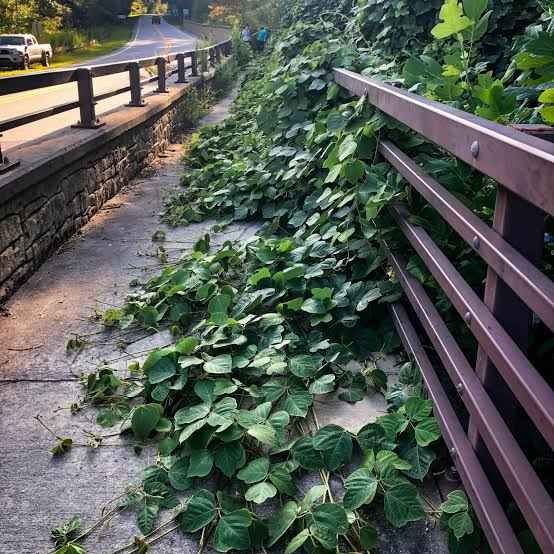
Have you ever driven along a Georgia road and noticed trees, fences, and entire hillsides buried beneath thick green vines? Meet kudzu. This fast-growing invasive plant has become a familiar sight throughout parts of Georgia and the Southeast. It can spread across trees, structures, and other vegetation, creating unusual green shapes along the landscape. From a distance, it can look almost artistic. Up close, it’s a serious problem because it can overwhelm native plants and trees.
5. You Might See Some Unexpected Wildlife
Squirrels, deer, and rabbits might not surprise you, but what about an armadillo? Yes, armadillos live in Georgia. Depending on where you live, you might encounter deer crossing residential streets, turtles near ponds, or armadillos digging around lawns and flower beds. Armadillos are found throughout Georgia and can cause problems for homeowners by digging in search of food. If you’re moving into a neighborhood surrounded by woods, creeks, or undeveloped land, expect occasional wildlife visitors.
6. The Weather Can Change Quickly
You leave the house under clear skies, and a couple of hours later, you’re watching heavy rain roll through your neighborhood. Welcome to Georgia weather. Summer afternoons can bring thunderstorms, heavy downpours, and intense humidity. And although Georgia winters are generally milder than those in many northern states, freezing temperatures and occasional winter storms are still possible. Another surprise? One part of Metro Atlanta can be experiencing heavy rain while another area remains completely dry.
What newcomers should know: Weather conditions can vary across the metro area. Keep an eye on forecasts, particularly when thunderstorms or winter weather are expected.
7. There Are a Lot of Roads Named Peachtree
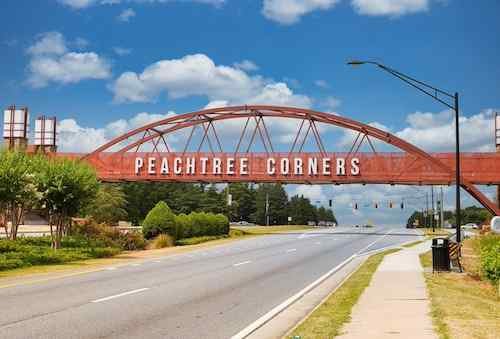
Peachtree Street. Peachtree Road. West Peachtree Street. Peachtree Industrial Boulevard. Peachtree Parkway. And those are just a few. You’ll quickly discover that the name Peachtree appears all over Metro Atlanta. There’s even a city called Peachtree City, where residents are known for getting around town using golf carts. For someone new to the area, similar road names can make getting around a little confusing. Before heading out, make sure you have the correct address.
8. A Few Miles Can Take Longer Than You Expect
In some cities, living 15 miles from work might sound like a reasonable commute. In Metro Atlanta, that distance doesn’t necessarily tell you much about how long you’ll spend behind the wheel. Major routes like GA-400, I-75, I-85, and I-285 can experience significant congestion during peak travel periods.
What newcomers should know: Before choosing where to live, test your commute during the hours you’ll actually be traveling. Don’t rely solely on mileage or an estimated drive time calculated on a Sunday afternoon.
9. You’ll Notice a Lot of Neighborhoods With HOAs
If you’re house hunting around Metro Atlanta, you’ll probably encounter quite a few communities governed by homeowners associations – HOAs. HOAs are common in many suburban areas, particularly newer subdivisions, townhome communities, and master-planned neighborhoods. Some maintain swimming pools, tennis courts, landscaping, sidewalks, and community amenities. Others primarily establish architectural or property maintenance standards.
Depending on the neighborhood, there may be restrictions involving fencing, parking, exterior modifications, and even where you can store your trash cans.
What newcomers should know: Before purchasing a home, review the HOA’s covenants, fees, financial information, and restrictions. Two communities with similar homes can have very different rules and costs.
10. Golf Carts Aren’t Just for Golf Courses

If you visit Peachtree City, you might notice people driving golf carts to restaurants, grocery stores, community events, and other everyday destinations. No, they’re not all heading to the golf course. Peachtree City is known for its extensive network of recreational paths that connect residential neighborhoods with shopping, recreation, and other destinations. It’s a distinctive part of everyday life in that community.
11. The Bugs Enjoy Georgia Weather, Too
With Georgia’s warm climate and lush vegetation comes something else: bugs. Mosquitoes can be particularly bothersome during warmer months, especially around areas with standing water. And depending on your neighborhood, you may also encounter fire ants, carpenter bees, and other insects you didn’t deal with as often in your previous home. Georgia’s Department of Public Health recommends eliminating standing water around homes to reduce mosquito breeding areas.
What newcomers should know: Regular pest control, proper drainage, and yard maintenance can help make outdoor living more comfortable.
12. The Southern Hospitality Is Real, but So Is the Variety
One of the enjoyable parts of moving to Georgia is discovering the different personalities of its communities. You might encounter neighbors who wave when they pass, strike up conversations in grocery stores, or introduce themselves when you move into a neighborhood. You’ll also discover that Metro Atlanta is incredibly varied.
Spend an afternoon in Downtown Alpharetta, then visit Duluth, Decatur, Marietta, or Fayetteville, and you’ll experience very different surroundings, restaurants, architecture, and community attractions. That’s one of the reasons choosing where to live in Metro Atlanta deserves some research.
Moving to Georgia Is About More Than Finding a House
Every state has its quirks, and Georgia is no exception. You might have to get used to yellow pollen covering your car, red clay in your yard, unexpected wildlife, and a few confusing road names. But you’ll also discover beautiful green spaces, distinctive neighborhoods, historic downtowns, and a wide variety of communities to explore.
If you’re considering relocating to Metro Atlanta, spend some time exploring the different regions before deciding where you want to live. Whether you prefer a walkable community, an established suburban neighborhood, or a newer development with modern amenities, there’s plenty to consider.
Ready to Find Your ATL? Explore the six regions of Metro Atlanta on Find Your ATL to learn more about communities, housing options, and what makes each area different.