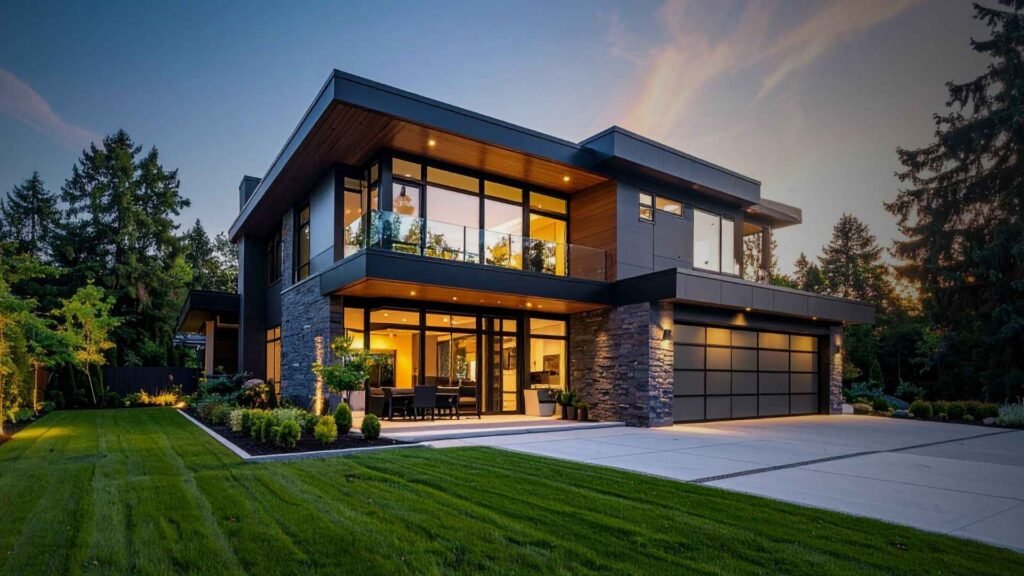
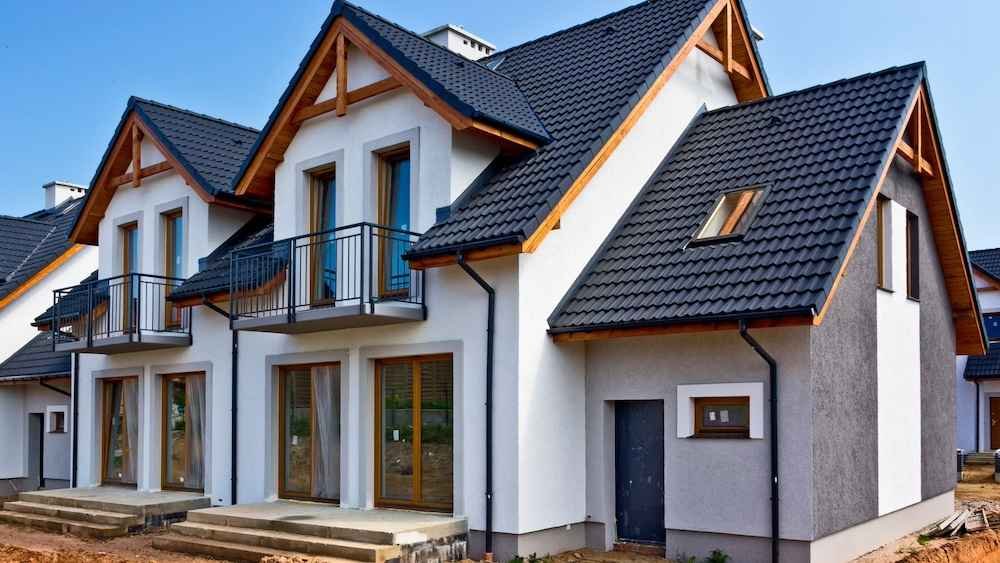
Buying your first home comes with a long list of decisions: how much you want to spend, where you want to live, how much space you need, and what type of home fits your lifestyle.
One decision that often gets overlooked is whether you should buy new construction or a resale home.
There is no universal right answer. New construction can offer modern finishes, lower immediate maintenance, and builder incentives. Resale homes may offer established neighborhoods, larger lots, more negotiating opportunities, and locations where new construction is limited.
For a first-time buyer, the better question is:
Which option works best for your budget, timeline, lifestyle, and long-term plans?
Here is what you should consider before deciding.
What Is Considered New Construction?
New construction generally refers to a home that has recently been built and has not previously been occupied.
But not all new construction works the same way.
You may purchase a move-in-ready or inventory home that the builder has already completed. You might buy a home that is currently under construction. Or you may select a homesite and choose certain floor plans, finishes, and upgrades before construction begins.
The earlier you enter the construction process, the more choices you may have—but you may also face a longer wait before you can move in.
The Advantages of Buying New Construction
For first-time buyers, one of the biggest attractions of new construction is starting with a home where almost everything is new.
Lower Immediate Maintenance
A newly built home should not need the same level of immediate repairs that an older property might require.
The roof, HVAC system, plumbing, electrical system, appliances, windows, and other major components are generally newer.
That does not mean nothing will ever go wrong, but you may be less likely to face a major replacement immediately after moving in.
Modern Floor Plans
Newer homes are often designed around the way people live today.
You may find features such as:
- Open kitchens and living spaces
- Larger kitchen islands
- Walk-in closets
- Home offices or flex rooms
- Larger primary bathrooms
- Energy-efficient windows and appliances
- Smart-home technology
- More electrical outlets and charging locations
If those features are important to you, new construction may allow you to get them without renovating an older home.
Builder Incentives
This is one area where buyers should pay close attention.
Depending on the builder, community, inventory level, and current market conditions, builders may offer incentives such as closing-cost assistance, interest-rate incentives, upgrade credits, or other concessions.
Some incentives may require you to use the builder’s preferred lender or closing provider.
Do not evaluate an incentive based only on the headline number. Look at the entire financing package, including the interest rate, lender fees, purchase price, monthly payment, and total cash required at closing.
Builder Warranties
Many newly constructed homes include some form of builder warranty.
Coverage varies considerably, so review exactly what the warranty includes, how long different components are covered, and how warranty claims must be submitted.
A warranty is helpful, but it is not a substitute for doing your due diligence before closing.
The Potential Downsides of New Construction
New does not automatically mean better—or less expensive.
The Advertised Price May Not Be the Final Price
You might see a community advertised with homes “starting from” a particular price.
That price may represent a base model.
Once you add a premium homesite, flooring, countertops, lighting, appliances, cabinets, structural options, or other upgrades, the actual purchase price can increase significantly.
Before falling in love with the model home, ask:
What would this house cost with the features I actually want?
Model homes often contain upgrades that are not included in the base price.
The Neighborhood May Still Be Under Construction
If you are buying during an early phase of a development, you could be living around construction for months or even years.
That may mean trucks, equipment, unfinished landscaping, vacant lots, and additional homes being built around you.
You should also understand what the community is expected to look like when it is completed.
Lots May Be Smaller
In some newer Metro Atlanta developments, buyers may find relatively large homes built on smaller lots.
If having a large yard, mature trees, privacy, or more distance between neighboring homes matters to you, compare new communities carefully with established neighborhoods.
Your Timeline May Change
If the home is still being built, construction delays can happen.
Weather, inspections, permitting, labor availability, and material delays can affect completion dates.
Buyers who need to move by a very specific date should understand how much flexibility they have before choosing a home that is still under construction.
What Is a Resale Home?
A resale home is a property that has previously been owned and occupied.
That could mean a five-year-old home or a 50-year-old home.
The condition can therefore vary dramatically.
Some resale homes have been completely renovated. Others may need cosmetic updates. And some may eventually require major improvements to systems such as the roof, HVAC, plumbing, or electrical components.
This is why the inspection and due-diligence process matters.
The Advantages of Buying a Resale Home
Established Neighborhoods
One of the biggest advantages is that you can see what you are buying into.
The streets, trees, homes, amenities, traffic patterns, and surrounding development already exist.
Instead of looking at a builder’s rendering of what a community may eventually become, you can evaluate the neighborhood as it stands today.
Potentially Better Locations
In many established parts of Metro Atlanta, there simply is not much vacant land left for large new-home communities.
Buying resale may provide more options if you want to be closer to employment centers, established shopping and restaurants, transit, highways, or particular parts of the metro.
Larger Lots and Mature Landscaping
Depending on the neighborhood and era of construction, older homes may have larger lots, mature trees, longer driveways, and more separation between properties.
For some buyers, that trade-off is more important than having brand-new finishes.
More Room for Negotiation
With a resale property, you are usually negotiating with an individual seller rather than a builder.
Depending on market conditions and the seller’s situation, there may be opportunities to negotiate price, closing costs, repairs, closing dates, appliances, or other terms.
That does not mean every seller will negotiate. But the conversation is different from purchasing from a builder with established pricing and incentive structures.
The Potential Downsides of Resale Homes
The biggest consideration is often maintenance.
A beautiful home can still have aging mechanical systems.
For example, you should understand the approximate age and condition of the:
- Roof
- HVAC equipment
- Water heater
- Plumbing
- Electrical system
- Windows
- Appliances
- Exterior components
A home inspection can help identify concerns, but buyers should also plan financially for homeownership beyond the closing table.
Buying a house is not just about being able to make the mortgage payment.
It is also about being prepared to maintain the property.
New Construction vs. Resale: Questions First-Time Buyers Should Ask
Instead of asking which category is “better,” evaluate both options using the same criteria.
1. What Can I Comfortably Afford?
Start with your full monthly housing expense rather than just the purchase price.
Consider your estimated mortgage payment, property taxes, homeowners insurance, HOA fees, mortgage insurance if applicable, utilities, maintenance, and other ownership costs.
2. How Much Cash Will I Need?
Your cash requirement may include more than your down payment.
Depending on the transaction, you could also have earnest money, due-diligence expenses, inspections, appraisal costs, closing costs, prepaid taxes and insurance, moving expenses, and immediate purchases or repairs.
3. How Important Is Location?
You may discover that your budget buys a larger or newer property farther from where you work or spend most of your time.
That does not automatically make it a better deal.
Consider what the commute and daily lifestyle will realistically look like.
4. Do I Want Projects?
Be realistic about yourself.
Some buyers genuinely enjoy the idea of painting, replacing fixtures, improving landscaping, and gradually updating a property.
Others want to move in, unpack, and be finished.
Neither preference is wrong.
But buying a home that requires considerably more work than you are willing or financially prepared to do can turn homeownership into frustration.
5. How Long Do I Expect to Own the Home?
Think beyond move-in day.
Consider whether the property can accommodate likely changes in your life over the next several years.
You do not need to predict your entire future, but you should think about whether the home gives you enough flexibility.
Don’t Skip Representation When Visiting a New-Home Community
First-time buyers sometimes assume they do not need their own real estate agent when purchasing new construction because there is a sales representative at the community.
There is an important distinction.
The sales representative at the community represents the builder’s interests.
A buyer’s agent can help you evaluate the transaction from the buyer’s perspective, including pricing, comparable properties, incentives, contract terms, inspections, deadlines, financing considerations, and the final walkthrough.
If you are considering new construction, it is generally smart to involve your agent before your first visit to the builder’s sales office. Builder registration and buyer-agent policies can vary.
Yes, You Should Still Inspect a New Home
One of the most common misconceptions among first-time buyers is that a newly constructed property does not need an inspection.
New homes can have defects too.
Construction involves many trades, systems, materials, and inspections. An independent home inspector provides another set of eyes working for you.
Depending on the stage of construction, buyers may consider inspections at different points, including before drywall and before closing.
The appropriate inspections will depend on the property and construction stage.
Compare the Homes, Not Just the Categories
This is ultimately where first-time buyers can make better decisions.
Do not decide that you only want new construction because everything looks beautiful in the model home.
And do not automatically assume resale offers the better value because the purchase price is lower.
Put actual properties side by side.
For example, compare:
New construction:
$425,000 purchase price
Builder incentive available
New systems
Smaller lot
Longer commute
HOA community
Resale:
$395,000 purchase price
Older HVAC and roof
Larger lot
Established neighborhood
Shorter commute
Potential improvements needed
Now you are making a real housing decision rather than comparing two abstract categories.
Your First Home Does Not Have to Be Your Perfect Home
First-time buyers can put enormous pressure on themselves to find a property that checks every box.
That usually is not realistic.
Your first home needs to make financial and practical sense for the stage of life you are in now while giving you reasonable flexibility for the future.
New construction may give you modern features, warranties, and fewer immediate projects.
Resale may give you location, character, established neighborhoods, and opportunities that simply are not available in newer developments.
The goal isn’t to choose the home that looks best on move-in day.
The goal is to understand what you’re buying, what it will cost you, and whether it supports the way you actually want to live.
Thinking About Buying in Metro Atlanta?
If you’re deciding between new construction and resale, start by looking at both. Comparing real homes, monthly costs, locations, incentives, and potential maintenance can make the differences much easier to understand.
Sonji Stewart, REALTOR®
Helping buyers navigate Metro Atlanta with clarity—from preparation to keys in hand.