
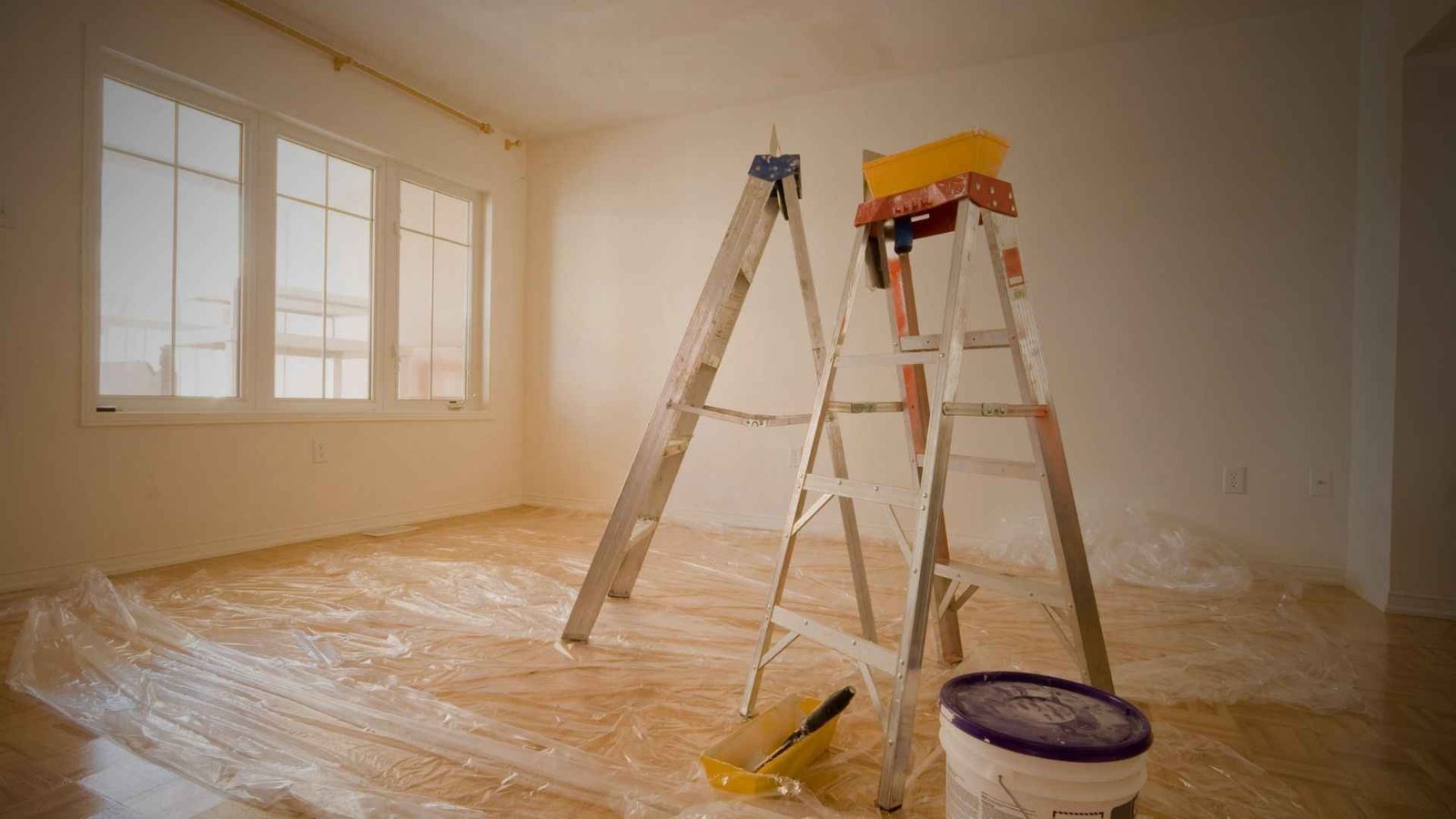
Thinking about selling your home but wondering whether you should renovate first? Before you invest thousands of dollars in improvements, it’s worth finding out which updates could actually help your bottom line—and which ones you can skip.
If you’re a homeowner in Metro Atlanta considering a move, you may be looking around your house and seeing a growing list of things that need attention. The kitchen feels dated. The bathrooms could use a refresh. The flooring has seen better days, and perhaps the exterior isn’t looking quite as inviting as it once did.
Then comes the big question: Should I renovate before selling, or should I put the house on the market as-is? It’s a question worth asking because the wrong decision can cost you money, delay your move, or leave you spending more on improvements than you’ll recover when you sell.
The good news? You don’t have to renovate everything to sell successfully. What matters is understanding your home’s current market value, what buyers in your area expect, and whether the potential return justifies the investment.
Start With Your Reason for Moving
Before deciding what to do with your home, think about why you’re moving and how soon you’d like to make that move.
Are you relocating for work? Downsizing after the kids have moved out? Looking for a home with a different layout or less maintenance? Or have you simply reached a point where your current home no longer fits your lifestyle?
Your timeline matters. If you’re hoping to move within the next 30 to 60 days, a major renovation could create unnecessary delays. If you have six months or more, you may have time to make strategic improvements that strengthen your home’s position in the market. But having the time to renovate doesn’t necessarily mean you should.
The first decision isn’t what to renovate. It’s understanding what you want your move to accomplish.
Know What Your Home Is Worth Before You Spend Money
One of the biggest mistakes homeowners make is starting renovations without first understanding their property’s current market value.
Let’s say you own a home in Roswell, Alpharetta, Sandy Springs, or Johns Creek. You’ve been there for 15 years, and although you’ve maintained it well, the kitchen and bathrooms still reflect the design choices of the early 2000s. You might assume that spending $40,000 on renovations will automatically increase your selling price by $40,000—or more.
Unfortunately, real estate doesn’t work that way. Buyers don’t necessarily pay dollar-for-dollar for your improvements. Your home’s value is influenced by comparable recent sales, location, size, condition, layout, and the competition currently on the market.
That’s why a Comparative Market Analysis (CMA) should come before the contractor estimates. A CMA can help establish:
- What similar homes in your neighborhood have recently sold for.
- How renovated properties compare with homes in original or dated condition.
- What buyers appear willing to pay for updated finishes.
- How long comparable homes are taking to sell.
- Whether the potential increase in selling price supports your renovation budget.
Sometimes the difference between updated and non-updated homes is significant. Other times, it’s much smaller than homeowners expect.
Knowing that difference before you spend money can change your entire selling strategy.
Find out what your Metro Atlanta home could sell for based on recent neighborhood sales, current market conditions, and your home’s unique features.
Renovations That May Be Worth Considering
Not all home improvements carry the same value when preparing a property for sale. For many Metro Atlanta homeowners, smaller, targeted improvements may offer a more practical path than a complete remodel.
1. Fresh Interior Paint
A fresh coat of paint can make rooms feel brighter, cleaner, and more inviting. Neutral colors can also help prospective buyers visualize their own furniture and decorating style. If your walls have bold colors, wallpaper, stains, or years of wear, painting may be one of the first improvements worth evaluating.
2. Flooring Repairs or Replacement
Worn carpet, damaged hardwood, cracked tiles, and mismatched flooring can affect how buyers perceive a home’s overall condition. That doesn’t mean every floor needs replacing. Sometimes professional cleaning, refinishing, or repairing visibly damaged areas is enough.
3. Kitchen Updates Without a Full Remodel
Kitchens are important to buyers, but replacing cabinets, counter tops, flooring, and appliances all at once can become expensive. Depending on your property’s price range and competing listings, smaller improvements—such as updated hardware, lighting, cabinet refinishing, or replacing a visibly outdated appliance—may be more practical.
4. Bathroom Refreshes
Outdated bathrooms don’t always need to be completely gutted. Replacing old fixtures, refreshing caulking and grout, updating mirrors, or improving lighting may create a noticeable difference without the cost of a major renovation.
5. Curb Appeal
Buyers begin forming an impression of your property before walking through the front door. Overgrown landscaping, peeling paint, dirty exterior surfaces, and deferred maintenance can make a property appear neglected. Basic landscaping, exterior cleaning using appropriate methods, and minor repairs can help your home make a stronger first impression.
The goal isn’t to make your home look brand-new. It’s to make it competitive with the homes buyers will be comparing it against.
When Selling As-Is Might Make More Sense
There are situations where renovating before selling may not be your best financial decision. For example, selling as-is may be worth considering when:
- You need to relocate quickly.
- The home requires extensive repairs.
- You don’t have the cash available for improvements.
- Renovation costs are high relative to the property’s likely increase in value.
- Your neighborhood attracts investors or buyers interested in renovating.
- You’re selling an inherited property or a second home you no longer want to maintain.
Selling as-is doesn’t mean accepting just any offer. It means pricing and marketing the property based on its actual condition, with a clear understanding of the likely buyer pool. Metro Atlanta has a wide range of housing markets. An older home in an established neighborhood with strong location appeal may attract buyers who are comfortable making cosmetic improvements. A similar home in an area where buyers have many move-in-ready alternatives may face more pricing pressure.
The neighborhood, property condition, and competition all matter.
Run the Numbers: Renovate vs. Sell As-Is
Let’s look at a hypothetical example. Suppose you own a home in North Metro Atlanta and you’re deciding whether to invest in improvements before listing.
| Sell As-Is | Renovate First | |
|---|---|---|
| Estimated selling price | $425,000 | $465,000 |
| Renovation costs | $0 | $25,000 |
| Additional carrying costs | $0 | $3,000 |
| Selling price less these costs | $425,000 | $437,000 |
In this example, renovation produces an additional $12,000 before accounting for selling expenses, financing costs, taxes, or unexpected repairs. But what happens if the renovation goes $10,000 over budget? Or if the finished home sells for less than expected? Suddenly, the financial advantage becomes much smaller.
And if you need to continue paying your mortgage, insurance, taxes, and utilities while the renovation is underway, those costs need to be considered, too. This is why the highest selling price doesn’t always produce the best financial outcome.
The question isn’t simply, “How much more can I sell for if I renovate?” It’s, “How much more will I actually walk away with after the renovation costs, holding expenses, and selling costs?”
Don’t Overlook the Cost of Your Time
Money isn’t the only consideration. Renovations can require contractor estimates, scheduling, material selections, permits when applicable, inspections, and the management of unexpected problems.
If you’re living in the home during construction, you may also have to deal with noise, dust, disrupted routines, and limited use of certain rooms. For homeowners preparing for a job relocation, retirement, or another major life transition, those disruptions may not be worth the potential financial gain. A three-month renovation that produces a modest increase in net proceeds may be less appealing than selling sooner and moving forward with your plans.
Your time, convenience, and peace of mind deserve a place in the decision.
What About Repairs That Aren’t Cosmetic?
There’s an important difference between cosmetic improvements and issues involving a home’s condition or safety. An outdated kitchen is one thing. A leaking roof, active water intrusion, electrical hazards, foundation concerns, or a malfunctioning HVAC system is another.
Significant defects can affect buyer financing, insurance eligibility, inspection negotiations, and the number of buyers willing or able to purchase the property. Before deciding to sell as-is, it may be worthwhile to have a qualified professional evaluate any suspected major problems. You can then compare the cost of repairs against the likely pricing impact of leaving those issues unresolved.
In Georgia, selling a home as-is does not automatically eliminate disclosure obligations or permit a seller to conceal known material defects.The goal is to make an informed decision—not to cover up a problem or spend money unnecessarily.
Why Your Metro Atlanta Neighborhood Matters
One of the reasons I encourage homeowners to obtain a market analysis before renovating is that buyer expectations vary considerably across Metro Atlanta. Consider the differences between an established neighborhood in Roswell, a luxury subdivision in Milton, a townhome community in Sandy Springs, and a newer residential development in Cumming.
These properties may appeal to different buyer segments, with different expectations concerning finishes, layout, outdoor space, maintenance, and price. Even within the same city, two neighborhoods can have very different market dynamics. A home in an area with limited inventory may face less competition than a similar property in a neighborhood with several recently renovated homes for sale.
That’s why broad national renovation return-on-investment figures should only serve as general reference points.

Before you renovate, let’s look at the numbers. Schedule a Seller Consultation I am Sonji Stewart, Metro Atlanta REALTOR®.
Local comparable sales provide a much stronger foundation for deciding what your particular home needs before listing.
How to Build a Smart Pre-Sale Plan
If you’re considering selling your Metro Atlanta home, here’s the approach I recommend before committing to any major improvements.
Step 1: Establish your home’s current value. Start with a CMA that reflects your property’s current condition, recent comparable sales, and active competition.
Step 2: Identify the biggest obstacles to selling. Walk through the property and separate cosmetic issues from major repairs, maintenance concerns, and features that could affect buyer appeal.
Step 3: Evaluate improvement costs. Obtain written estimates from qualified contractors for improvements you’re seriously considering, including appropriate contingency amounts.
Step 4: Compare potential net proceeds. Estimate your proceeds under both scenarios: selling as-is and selling after improvements. Include renovation costs, carrying costs, likely selling expenses, and potential pricing risks.
Step 5: Align the strategy with your moving timeline. Decide whether the potential financial benefit is worth the additional time, complexity, and uncertainty.
Step 6: Create a listing plan. Once you’ve chosen your approach, develop a pricing, preparation, photography, and marketing strategy appropriate for your home’s condition and target buyers.
You don’t need to make every decision at once. But you do need the right information before writing checks to contractors.
The Bottom Line: Renovate With a Purpose, Not an Assumption
If you’re thinking about selling your Metro Atlanta home, don’t assume that every dated room needs a makeover before buyers will be interested. And don’t assume that selling as-is means you’re leaving money on the table.
The right decision depends on your home’s condition, your neighborhood’s current market, the cost of improvements, your timeline, and what you ultimately hope to accomplish with the sale. Sometimes a few thousand dollars in strategic updates can make a meaningful difference. Sometimes a larger renovation is justified. And sometimes the smartest move is to price the home appropriately and let the next owner make the improvements.
What matters most is having a plan supported by local market data—not guesswork.
Thinking About Selling Your Metro Atlanta Home?
At FindYourATL, I help Metro Atlanta homeowners evaluate their options, understand their home’s market position, and develop a selling strategy that makes sense for their property and their next move. Whether your home is beautifully updated, needs a little attention, or hasn’t been renovated in years, the first step is understanding what it’s worth today and whether making improvements is likely to pay off.
Disclaimer: Financial examples are hypothetical and are not estimates of actual market value or investment returns. Property values, renovation costs, and selling outcomes vary.